

So how do you overcome procrastination? First, you must understand what it’s really about. Procrastination is an emotional coping strategy.
What Does This Mean?
Procrastination is not about avoiding the task itself. It is about avoiding emotion and discomfort. That is how you break it. Specifically, the limbic system reacts to tasks that feel overwhelming, stressful, or even boring.
Understanding the Limbic System
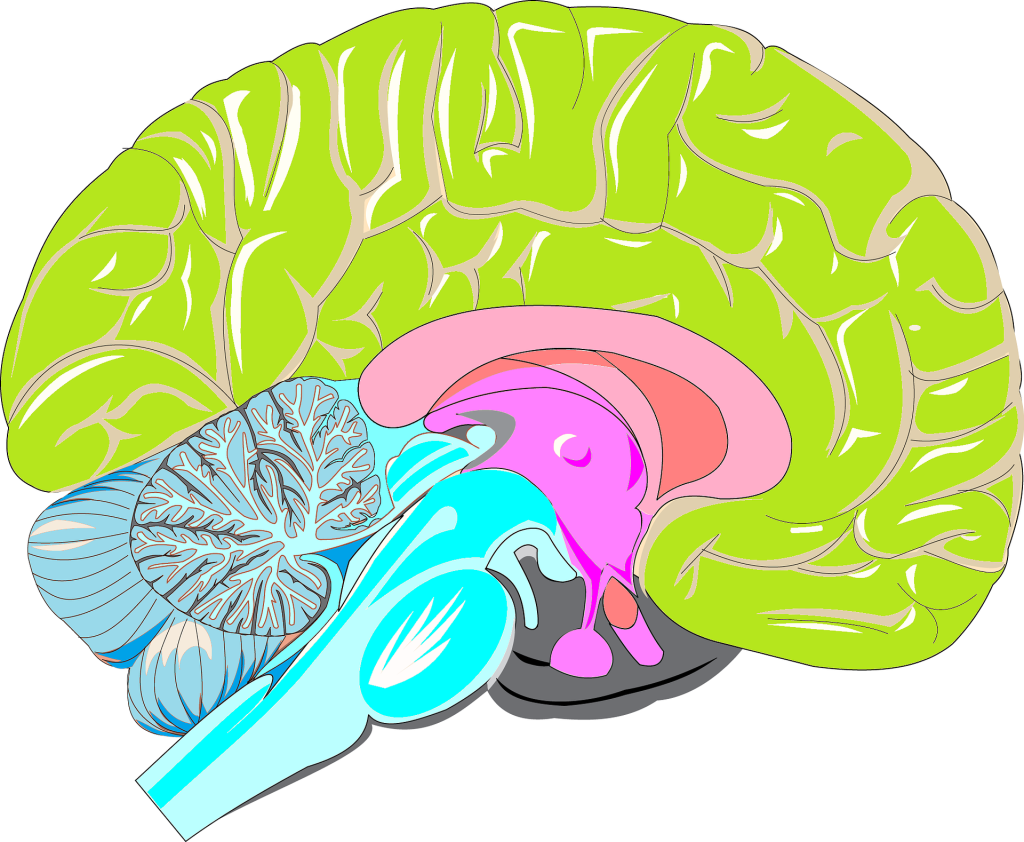
The limbic system is your emotional brain. It is the part of your brain responsible for making you fell emotional like pleasure, anger, sadness, and fear.
The Limbic system protects you from many things, including stress. So it tries to pull you away from anything stressful and instead makes you choose fun and pleasure.
Why You Procrastinate
The reason you procrastinate is not that you do not have time to do your work. It is not the task itself. It isabout howw the task makes you feel.
Does Your Brain Have a Choice?
Every time you avoid a task, your brain records the pattern. Over time, your brain learns which tasks you are likely to avoid, even without your conscious awareness.
For example
- You have a big task to do.
- You do not know how to start.
- Your brain reacts: ” This is overwhelming, I have never done it before.”
- You feel anxious.
- Then you gra you phone, watch videos, social media, or something more enjoyable.
Thus, the limbic system at work: Avoiding stress and discomfort by seeking pleasure.
What Happens When You Leave a Task
When you abandon a task, you automatically do something else more enjoyable.
- Scroll social media
- Watch Netflix
- Chat unnecessarily with friends
Your brain is seeking pleasure over pain, fun over stress, and comfort over discomfort.
Why Do You Procrastinate Only on Tasks You Don’t Enjoy?
Think about it:
- Do you procrastinate on watching movies, shopping, eating, chatting with friends, or doing things you are passionate about?
- The answer is “No.” You enjoy these things, so your brain does not avoid them.
Procrastination is a game of emotion.
It is a strategy your brain uses to escape the stress and discomfort associated with a task.
How to Use This Knowledge
Once you notice this, beating procastination become easier. Why?
- Instead of just following ” 5 steps to overcome procrastination” or ” 3 tips to stop procastinating”
- Understanding the nature of the problem gives you clarity.
Next time you want to procrastinate, ask yourself:
- How do you feel about this task?
- What exactly am I running away from?
- What part of this makes me feel anxious?
Asking yourself these questions will help you to approach the task differently.
Five-Step Battle Plan to Defeat Procrastination

Procrastination is not just being lazy, it is a trap. Every time you delay, you are choosing to stay stuck.
But guess what? That does not have to be your story.
You know the feeling: I will start tomorrow…” but tomorrow never comes. It slips away from tomorrow, next week, next year, to never. You have told yourself this a thousand times: ” Just one more video…” or ” A little bit longer in bed … ” and you are not really resting.
Every minute you waste, your dreams slip further away. That business idea is sitting on the counter, and that project is collecting dust on the shelf. The weight of unfulfilled promises crushes your very soul.
But you don’t have to stay here. Here’s what you have to do to win:
1. Face the Fear
You need to be brave. Procrastination thrives on fear:
- Fear of failure
- Fear of judgment
- Fear of responsibility
It is not that you do not have what it takes, you do. You are just letting fear be your God. To beat procrastination, you have to be brave. Brave does not have to be perfect; you can fake it until you feel it.
2. Embrace the Discomfort
Growth hurts. Growth requires effort. There’s no way around it. To move forward, you have to accept the pain that comes with change. It is uncomfortable, yes, but it is the only way to progress.
3. Take Action Today
No more promises of tomorrow. You do not have more time, you only have a decision. Your future depends on what you do right now, even if it is just one small step. Every tiny action adds up.
4. Get Support
You need a good circle around you. Remember: Your net worth is your network. Your network is your net worth. Surround yourself with people who push you forward, not hold you back.
5. Keep Going
All work works it might not seem like it is working for you, but it is working on you. Sometimes you need to unlearn old habits or beliefs that are holding you back. Progress takes consistency and effort. and persistence.