
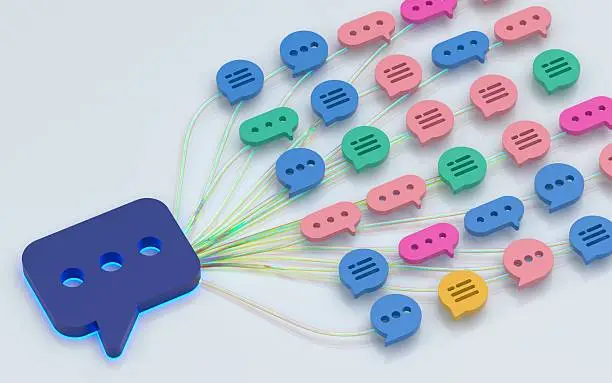

Effective Communication is an important skill that individuals must learn. Whether you are conducting a meeting, giving a presentation, or writing an email communication, it is crucial to your success.
The good news is that communication improves with practice. This blog will help you to communicate clearly and confidently.
1. Understanding Communication Style
It’s not about your accent.
When we talk about improving how we speak, we are not talking about accent. This is very important to clarify because many people believe they need to sound like someone else to succeed.
Before improving communication :
Ask yourself :
- Do I speak clearly?
- Do I have active listening skills?
- Do I feel confident when expressing my ideas?
Tip: To identify the area of improvement, ask your manager or colleague for communication feedback.
2. What We Need from Communication

When we talk about improving communication, we are focusing on:
- Tone – how your voice sounds emotionally.
- Elocution – how well you express yourself.
- Gesticulation – how you use your hands and body.
- Body language – eye contact, posture, and presence.
- Clarity of speech – how easily people understand you.
- Articulation – how you pronounce and form your words.
- Voice projection – how clearly and confidently your voice carries.
All of this has nothing to do with your accent.
3. Practice Active Listening
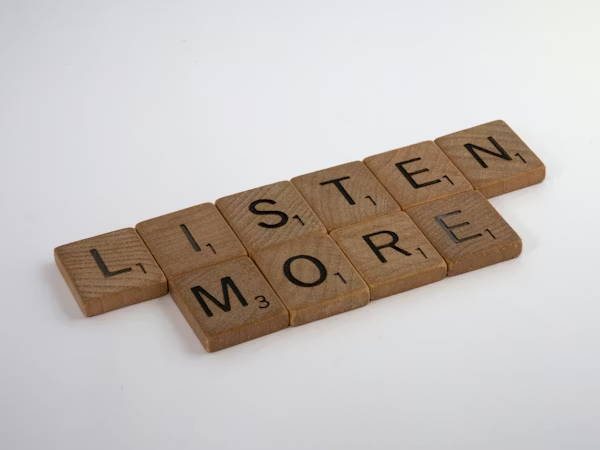
Listening vs Hearing
The problem is that listening and hearing are not the same thing. Most of us were fortunate to be born with hearing, but listening is a skill that must be learned and practiced to use it successfully.
When you hear something, sound enters your eardrum and passes through your ear canal and registers in your brain. Listening is what you do with that sound and how you interpret it.
Tips for Successful Listening
Here are some tips for successful listening:
- Listen with interest.
- Listen for what is not said.
- Try to get rid of your assumptions.
- Listen intentionally to people’s names.
4. Why Listening is Difficult
Listening is hard work. When other people are listening to us, they have the same difficulties we have in trying to focus on a message. Our minds wander, noises or thoughts distract us, and we can be thinking about what to do next.
What Is Active Listening
Active listening means that we try to understand things from the speaker’s point of view. It includes letting the speaker know that we are listening and that we have understood what was said. This is not the same as hearing, which is a physical process, where sound enters the eardrum and messages are passed to the brain.
5. Listening for Total Meaning
When you decide to listen for total meaning, you listen for the content of what is being said as well as the attitude behind what is being said. Is the speaker happy, angry, excited, sad, or something else entirely?
Improve Your Non-Verbal Communication

Pay attention to your body language because is speakers volumes:
Pay attention to:
- Posture
- Eye contact
- Tone of voice
- Facial expressions
6. Build Confidence When Speaking
Most people struggle with confidence, especially during presentations or meetings:
To improve:
- Rehearse beforehand
- Preparation is the key
- Break the ice before presenting
Tip: Confidence grows with practice.
7. Learn to Write Professional Emails

Business writing is a big part of work life.
Keep emails:
- Go straight to the point
- Always be clear and polite
Going forward, use the four c’s in all responses:
- Be clear – make it easy to understand.
- Be concise – go straight to the point.
- Be complete – make sure all important information is included.
- Be correct – be accurate and reliable with information.
Before you start writing, ask yourself the following questions to focus on what truly matters.
“Rememeber” that most people read content on screens, often on smaller devices like smartphones or e-readers. The more scrolling required, the less likely your reader is to finish your email, letter, or report.
Make your content visually appealing and easy to read. Use a balance of white space and text, choose readable fonts, and keep the font size appropriate. A clean layout improves readability and engagement.
Ask yourself:
- Who is your reader?
- What do they already know?
- What do they need to know?
- What information is unnecessary?
- How and where will they read this?
- What result do I want to achieve?
8. Be Open to Feedback
Improvement comes from feedback.
- Be well prepared
- Learn from mistakes
- Apply what you learn
- Take feedback as a learning curve
Tip: The feedback will help you grow fast.
9. Practice Daily
Communication is a skill that improves with time.
- Speak more.
- Engage in conversations.
- Practice with trusted colleagues.
The small daily efforts make a huge difference.
Improving communication does not happen overnight. Take baby steps, be open to setbacks, and do not be hurt by yourself. Being consistent and putting more effort will also build confidence, and do not be afraid to learn from other people. Effective communication skills will improve your work performance and also open doors for you. Remember that communication is also for personal and professional use.