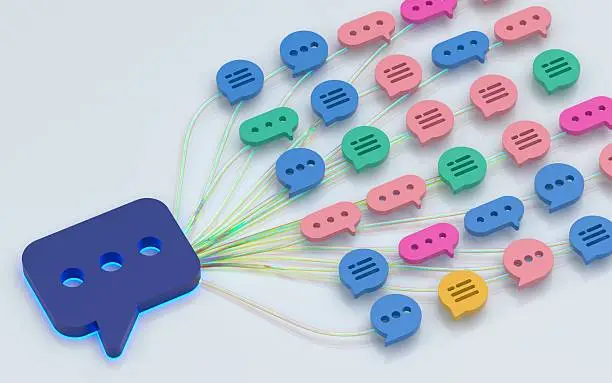


Effective communication is one of the most important skills in the personal and professional world. Whether in a professional or personal setting, the ability to understand, listen, and express yourself clearly will help prevent the following: lack of trust, conflict, and misunderstanding.
Understanding Effective Communication
Good communication is more than just giving reassurance. It involves actively hearing and understanding the other person.
Giving assurance is only one aspect of effective communication. It entails paying attention to and comprehending the other person.
Important Points:
- What is on their minds
- Allow them to say how they feel.
- Motivate the other person to express themselves.
- Factors influencing emotions
Ask questions to find out precisely:
- What they desire
- What they need
- What they want
There are two questions:
- Open question
- Closed questions
Open-ended questions can be used to:
- Get information
- Focus conversation
- Solicit opinions
- Gain consensus
How to present yourself in a way that gives him confidence
- Pay attention
- Validate their feelings
Active Listening Skills
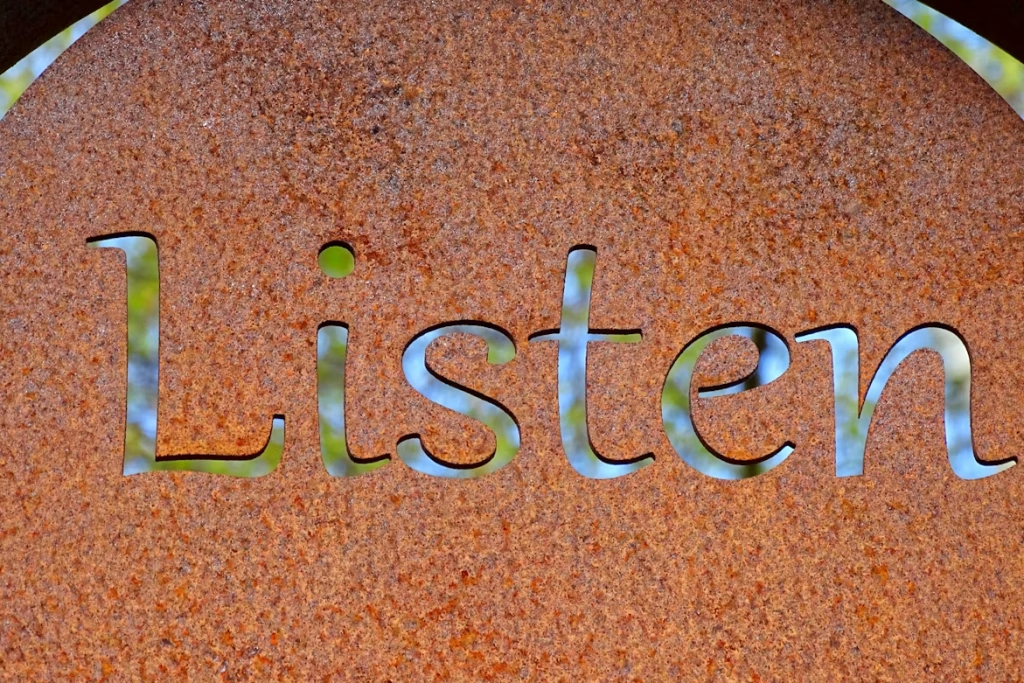
The problem is that listening and hearing are not the same thing. Most of us were fortunate to be born with hearing, but listening is a skill that must be learned and practiced to use it successfully.
Tips for Successful Listening:
- Listening intentionally to people’s names
- Listen with interest
- Try to get rid of your assumptions
- Listen for what is not said
When you communicate well, you can understand them in addition to hearing them. Remember that communication is a two-way process, assurance on its own is insufficient; it needs to be combined with candid, open communication.
Key Elements of Personal Communication
Communication is not only about the words you speak.
Research suggests communication is made up of:
- 55% Body language
- 38% Tone of voice
- 7% Actual words
This means most communication happens before you even speak.
Your posture, gesture, and tone already send signals.
The Role of Non-verbal Communication
Self-awareness is crucial when communicating.
Non-verbal communication simply means body language.
For example:
Closed Body Language
When your chest is closed, or your arms are folded, it signals:
- Do not talk to me.
- I am closed off.
- I am not open to discussion.
Dominant Posture
Hands placed in a certain position can signal authority, such as:
- I am the boss.
- What I say goes.
Neutral Posture
Standing with your hands stiffly by your sides may appear neutral, but it often feels unnatural.
Cultural Differences
Body language can vary by culture.
For example:
- In some cultures, putting your hands behind your back shows respect.
- In professional communication, however, people often want to see your hands, as it signals openness and trust.
Tips to Communicate Better at Work
Have Something to Learn, Not Something to Prove
When you are in a conversation or argument, go in with curiosity, not ego.
- Instead of trying to prove you are right, ask yourself:
- What can I learn from this person?
- Curiosity builds respect.
Your Words Shape Your Reputation
If you want to be known as:
- Respectful – Use respectful words
- Be kind – Use kind language
- If you gossip or speak negatively about others, that becomes your reputation.
- People associate your character with the words you use.
Emotional Intelligence
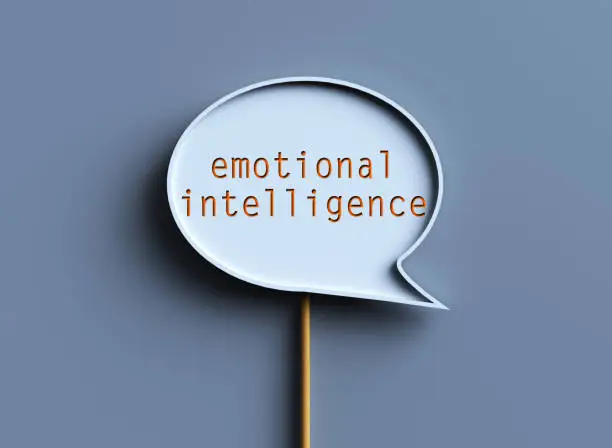
This is when you can understand your emotions, what makes you sad, happy, and angry. It will help you understand other people’s perspectives, because you understand yours better. Emotions also help individuals to improve their listening skills, personality, and build their confidence.
Validating Emotions of Others

This is when you practice active listening and allow other people to express themselves. This is when you encourage people to speak their views by asking questions.
Why Communication Matters in the Workplace
Some people think communication is not a big deal. Think again.
Communication is the root of many workplace problems because it causes confusion, frustration, and postponement that lead to conflict. It might even cause the company to lose money.
Unclear Instructions
You are given a task, but you do not know what it entails.
So you:
- Do it wrong
- Or do not do enough
Instead of making progress, the team now wastes time correcting errors.
Lack of Feedback
You complete a project but receive no feedback.
No praise.
No constructive criticism
You begin to feel:
- Invisible
- Unsure about your performance
- Disconnected from your team.
The Chain of Poor Communication
Poor communication leads to:
- Mistrust
- Confusion
- Frustration
- Missed deadlines
- Low morale
- Toxic work environments
One small communication failure can create a chain reaction of problems, including wasting time. For more on managing your time effectively, see Time Management is Life Management.
The Solution: Clear and Consistent Communication

Strong teams rely on clear communication, including:
- Sending timely emails
- Giving clear instructions
- Offering regular feedback
When communication improves:
- Trust increases
- Collaboration improves
- Morale rises
- Stress decreases
Good communication is not a soft skill.
It is a career skill.
When everyone understands each other clearly, teams work better, problems are solved faster, and progress becomes easier.
Remember that improving communication will build trust, improve teamwork, build rapport, and create a healthy environment. Using active listening, clear body language will improve communication.