


Many work hard every day but still struggle financially, and one of the problems is not their paycheck but their habits. The same money habits can keep people stuck in the same financial situation for years. The good news is that once you identify these financial habits, you can start changing them for a better future.
I have spent the last decade immersing myself in finance, and one of the most life-changing skills I have learned is managing my finances, recognizing harmful money habits, and breaking free from them.
Let’s look at ten common bad money habits that hold people back, and tips on how to break them.
1. Your Mindset

The first and arguably the most important is your mindset. Most people do not want to hear this one, but this is one you really need to work on. We need to work on being accountable to ourselves. That means holding ourselves accountable for our choices, our goals, everything. If you do not do this, you become a victim of your circumstances.
2. Paying Yourself Last
The way people pay their bills can be broken down into two types: the first type is poor financial habits, which is when you pay yourself last after receiving the paycheck. The second option is wealth-building habits: they pay themselves first just after receiving their pay, and they take 5% to 10% of their paycheck, which allows them to prioritize savings and investments before addressing other expenses.
3. Not Having a Plan
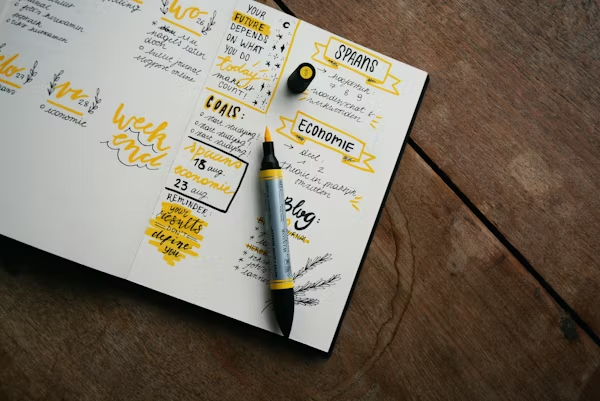
If you are not planning your finances, you are essentially planning to fail. A simple budget and money management plan can help you stay in control of your spending.
4. Getting Comfortable with Bad Debt
Most people are using debt to buy various items, including clothes, phones, and furniture. The first step is learning how to budget for your lifestyle. It does not matter how much money you earn; you should still create a budget that works for you.
5. Not Having a StockPile
This is saving enough so that you have enough money for up to 6 months of living expenses. This is important because it will give you peace of mind.
6. Not Knowing Your Income and Expenses

How do you know where you want to be?
There is something called lifestyle inflation, and that is your spending. The more you earn, the more you spend. You must be in control of your money, regardless of how much you earn.
7. Expensive Hobbies
Marketing and social media often influence how we spend our money instead of encouraging saving.
8. Focusing Purely on Saving

If you want to improve your financial savings, firstly, save more or make more money through additional income streams.
9. Waiting Too Long to Invest
If you don’t invest, you are losing a lot of money yearly. Start looking at different investments that will help you to raise your money and build financial freedom.
10. Little Achievement
Being satisfied with little achievements and not striving for more will easily slide you from the middle class to poverty. Not striving for excellence.
How to Create a Monthly Budget in Excel?

A comprehensive guide, it is simpler to handle your money when you have a clear monthly budget. Microsoft Excel is a useful tool for tracking earnings, outlays, and savings. Set a savings goal and create a system that will help you succeed. Learn how to create a budget on how-to-create-a-monthly-budget-in-microsoft-excel
Why Use Excel for Budgeting?
Excel is a well-liked tool for handling business and personal finances since it allows you to:
- Keep tabs on your income and expenses.
- Make use of automated calculations.
- Analyse your spending with charts.
- Make simple budget modifications.
Making better financial judgments and maintaining organization are two benefits of this. Start using Microsoft Excel and make new changes in your life.
Final Takeaways
- Your mind plays a critical role in achieving financial success.
- By paying yourself first, you can accumulate savings and investments.
- Keep your spending in check by creating a realistic budget.
- It is a must to avoid unnecessary purchases.
- Create an emergency fund for at least six months.
- By monitoring your income and expenses, you can clearly understand your financial status.
- By being aware of lifestyle inflation, you can make the best out of your growing income.
- By balancing saving with growing income streams, you can move closer to financial success.
- By investing early in life, you can grow your money over time.
- By always striving for financial improvement and discipline, you can be on your way to financial success.
Final Thought
Breaking bad financial habits takes time and commitment. Be ready to make small changes in your life and mindset, such as saving, budgeting, and investing.
Are you ready to start today and see major improvements in your financial future?