
Self-discipline is not something you wait to feel. It is something you force into your life.
Nobody wakes up every day feeling excited to do hard things. Even the people you admire have their own struggles. The difference is simple: they do not negotiate with their excuses.
You say you want to change, but your daily habits are voting against you.
Discipline is waking up when you still feel like snoozing.
It is working when your mind is telling you to scroll.
It is practicing even when you feel lazy.
At first, it will feel uncomfortable, and that is good. That discomfort means you are growing.
Stop asking yourself:
- “Do I feel like it?”
- “Am I in the mood?”
Start saying:
“This is what I do now. I am committed to it.”
- Discipline is not punishment.
- It is self-respect in action.
You have to force yourself to do what needs to be done, regardless of what your mind is telling you. When you discipline yourself, your life starts obeying your decisions.
Discipline Is Not Restriction – It Is Freedom

Many people think discipline limits their freedom, but the truth is the opposite.
Discipline creates freedom.
If you do not have discipline, you become a prisoner of your habits and choices.
For examples:
- If you do not have the discipline to train, you may become a prisoner of your body later in life.
- If you do not have the discipline to eat well, you may become a prisoner of diseases.
- If you do not have the discipline to build something for yourself, you may become a prisoner of your finances.
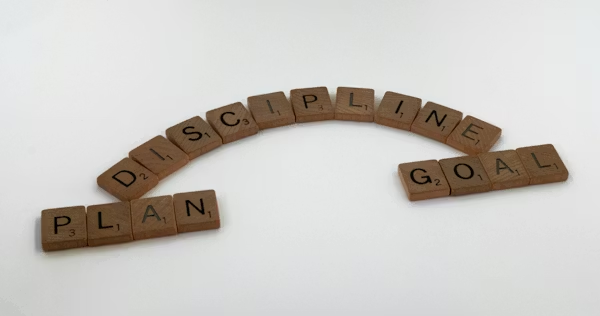
When you have discipline or structure, you follow a daily plan that moves you toward the things you want.
That is why discipline is long-term freedom.
Choose to be Disciplined or Regret it Later
In life, you have a choice:
- Discipline
- Regret
Both cause discomfort, but the results are quite different.
Discipline is painful, but it takes work. It requires you to get up early, maintain attention, and persevere even when you do not feel like it. Although it may seem challenging at the time, it promotes development, advancement, and achievement.
The pain of regret, on the other hand, comes later.
It sounds like this:
- What if I had started earlier?
- Where would I be today if I had taken action five years ago?
- What could my life look like now if I had just stayed consistent?
Regret does not give you results. It only leaves you wondering about the opportunities you missed.
That is why discipline matters.
Do not be afraid of discomfort. Sometimes growth requires pain. The difference is choosing the kind of pain that leads somewhere.
When you accept the principle of discipline, you gain something from the struggle. You gain strength, experience, progress, and success.
Instead of asking yourself whether you feel motivated, remind yourself of your commitment.
Stay disciplined. Keep moving forward. Push through the difficult moments, because they are shaping your future.
Remember this:
Discipline turns temporary pain into long-term success.
You have the strength to keep going. Stay focused, stay consistent, and give your best effort every day.
You have got this.
Self-Discipline and Financial Responsibility
If you want to stop being broke, you must develop self-discipline.
Start by taking a serious look at your spending habits. Go through your past bank statements and ask yourself:
Where is my money really going?
Look at the small things:
- How many times have you ordered food delivery?
- How many times did you buy coffee or snacks?
- How many impulse purchases did you make?
When you add it all together, the number might surprise you.
Do not steal from yourself.
If you put money into savings, do not take it out to buy something unnecessary. Create limits for yourself and stick to them.
Self-discipline means asking yourself an important question before spending money:
“Will my future self be happy with this purchase?” Read our article about 10 Common Money Habits that keep people broke.
Practical Ways to Build Financial Discipline
1. Create a Budget
- Budget your money the day you get paid, or even before.
- Do not let money sit in your account for days without a plan, because it becomes easier to spend.
- Move your money where it needs to go immediately.
2. Control Impulse Purchases
If you see something you want to buy, do not buy it immediately, rather:
- Force yourself to wait.
- Give yourself time to think before making the purchase.
- Impulse buying often steals money from your future.
3. Schedule Money Management
- Set a time on your calendar to manage your finances.
- Some people need reminders. If it is not scheduled, it may not happen.
- Know yourself and create a system that helps you stay disciplined.
4. Ask Yourself a Powerful Question
Before buying something, ask:
“Am I willing to send the same amount of money to my savings account right now?”
If the answer is no, reconsider the purchase.
5. Eat at Home More Often
- Eating out frequently can destroy your budget.
- Preparing meals at home is one of the easiest ways to save money and stay financially disciplined.
- Many people struggle with this, but it makes a big difference over time.
Final Thought
Self-discipline is not about being perfect. It is about making better decisions consistently. Every time you control an impulse, follow your plan, or stay committed to your goals, you strengthen your discipline. When discipline becomes part of your life, something powerful happens:
Your life begins to follow your decisions instead of your emotions.